Blog
African Pottery: An Ancient Craft for the Modern British Home

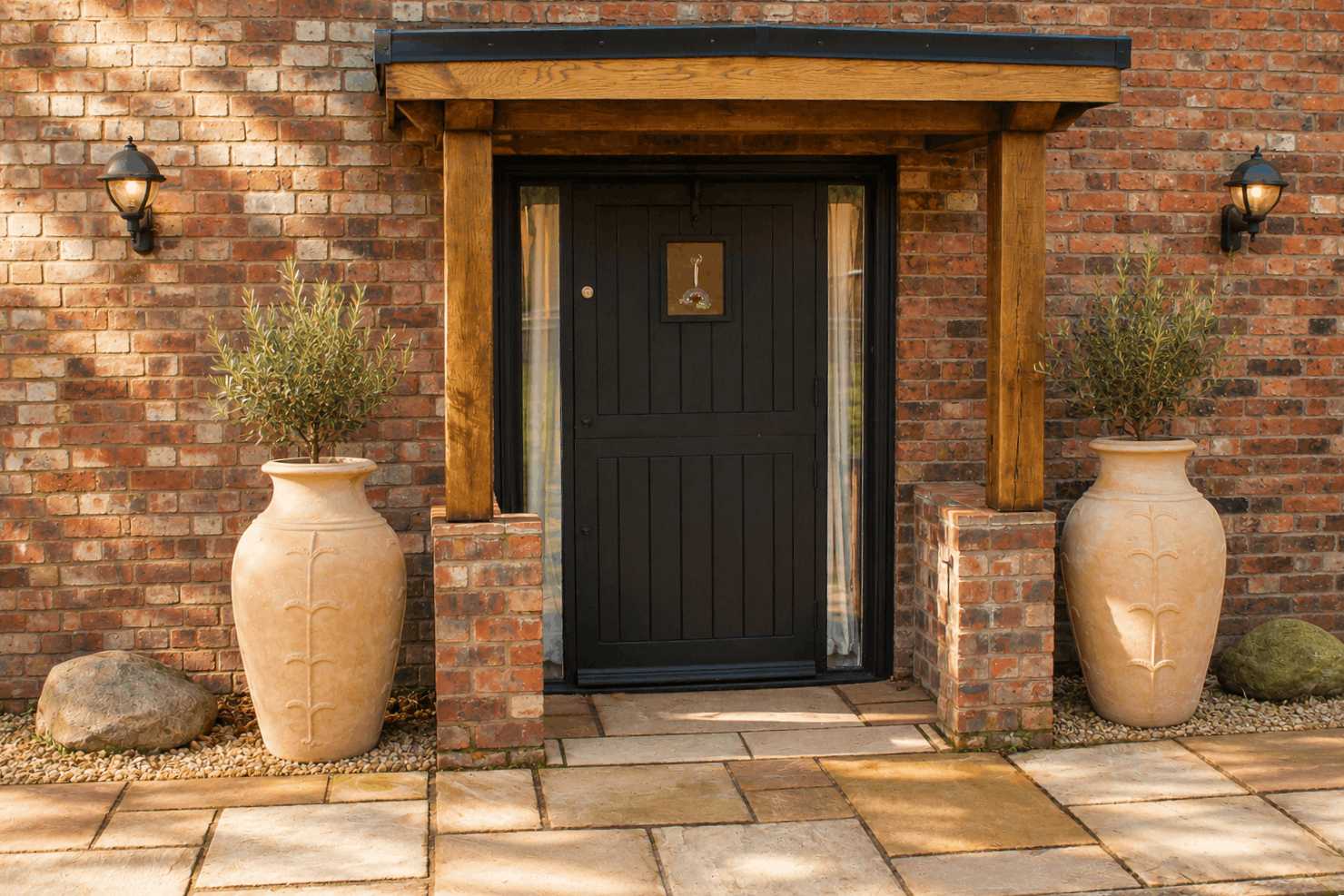
African pottery is one of the oldest and most beautiful forms of handmade homeware. Shaped from earth, fire and human skill, each piece carries a sense of tradition, texture and quiet elegance. For modern British homes, African pottery offers something many interiors now need: warmth, authenticity and natural character.
At Burudani, African pottery is not simply decorative. It is a way to bring craftsmanship, culture and organic beauty into everyday living spaces.
Why African Pottery Feels So Timeless
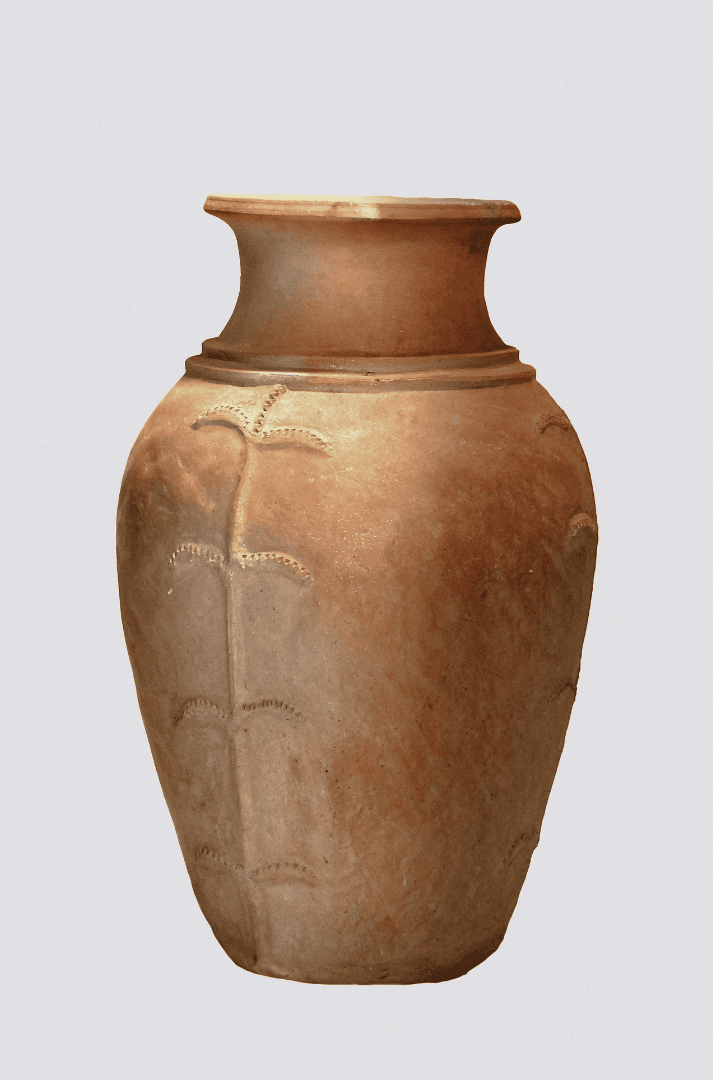
Pottery has been part of African life for centuries. Traditionally, clay vessels were used for storage, cooking, water, rituals and decoration. Over time, these practical objects became deeply artistic, with distinctive shapes, carved details, natural finishes and symbolic patterns.
That timeless quality is what makes African pottery so powerful in modern interiors. It feels ancient, but still contemporary. A handmade pot can sit beautifully in a minimalist flat, a rustic cottage, a Bohemian living room or an Afrohemian-inspired home.
Unlike mass-produced decor, African pottery has small imperfections, texture and variation. These details make each piece feel alive.
Perfect for Modern British Interiors
British homes often use neutral colours, soft furnishings and practical layouts. African pottery works beautifully in these spaces because it adds warmth without overwhelming the room.
The earthy tones of clay, terracotta, charcoal, sand, cream and deep brown pair naturally with:
- Wooden furniture
- Linen sofas
- Rattan and woven baskets
- Houseplants
- Neutral walls
- African wall art
- Handmade masks
- Warm lighting
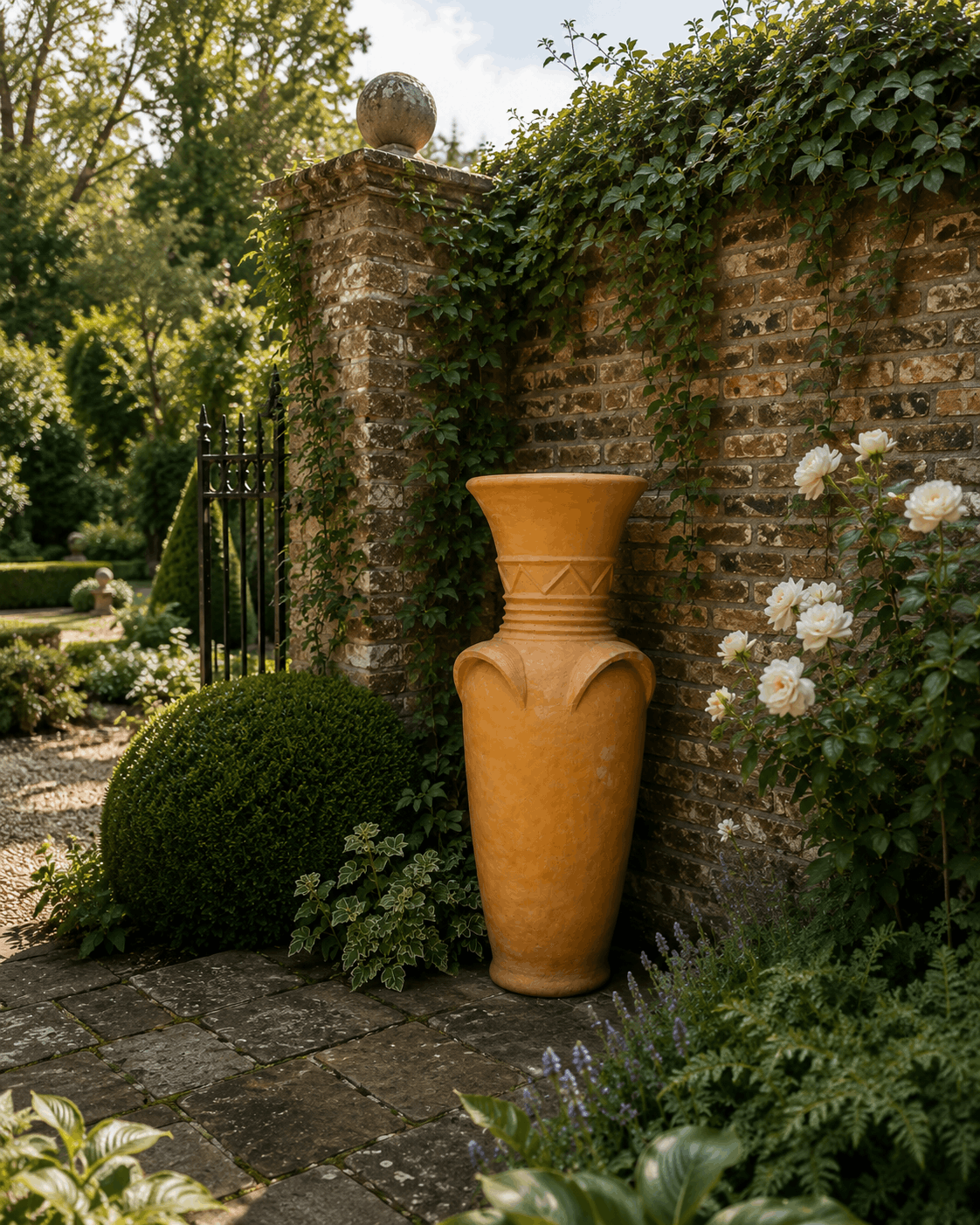
A single ceramic pot on a console table can make a hallway feel more considered. A large floor vase beside a sofa can add height and shape. A small handmade vessel on a shelf can bring subtle texture to a plain corner.
How to Style African Pottery at Home
African pottery is incredibly versatile. It can be used as a statement piece or as part of a layered interior arrangement.
In the living room, place a large pot near a fireplace, beside a chair or on a sideboard. Pair it with African paintings, woven baskets or a wooden stool for a warm Afrohemian look.
In the hallway, pottery creates an elegant first impression. A tall vessel near the entrance instantly adds character and makes the space feel more welcoming.
In the bedroom, choose softer shapes and natural tones. A small clay pot on a bedside table or dresser adds calm, organic beauty.
In the dining area, ceramic bowls and vessels create a grounded, handmade atmosphere. They work especially well with wooden tables, woven placemats and warm lighting.
The Beauty of Texture
One of the strongest features of African pottery is texture. Some pieces have smooth polished surfaces, while others show carved patterns, hand-built shapes, rustic marks or natural clay finishes.
This texture is what makes pottery such an important part of Afrohemian decor. It breaks up flat surfaces and adds depth to a room. Even in a very simple interior, one handmade pot can make the whole space feel warmer and more personal.
Pottery also works beautifully with plants, dried grasses, branches and natural stems. These combinations help create an earthy, relaxed atmosphere that feels stylish but not overdesigned.
More Than Decoration
African pottery is more than a home accessory. It represents craft, patience and tradition. Each piece has been shaped by hand, influenced by heritage and finished with care.
That is why handmade pottery makes such a meaningful addition to the home. It does not feel temporary or trend-led. It feels rooted.
For people who want interiors with more soul, African pottery is a perfect choice. It adds cultural depth without needing to dominate the room.
 A Thoughtful Gift for the Home
African pottery also makes a beautiful gift. It is ideal for housewarmings, birthdays, weddings, anniversaries or anyone who loves handmade homeware.
A ceramic vessel, decorative pot or clay bowl feels personal and lasting. It can be styled in many different rooms, making it a practical but special present.
For someone who prefers subtle decor, pottery is often easier to gift than a large painting or bold mask. It brings character while remaining elegant and versatile.
Bring Ancient Craft Into a Modern Home
The charm of African pottery lies in its balance between tradition and modern style. It is ancient in origin, but perfectly suited to today’s interiors.
Whether displayed alone, paired with plants, styled beside African wall art or used as part of an Afrohemian decor scheme, African pottery brings warmth, texture and handmade beauty into the home.
Explore Burudani’s African pottery collection to discover handcrafted pieces that add natural elegance, cultural richness and timeless character to modern British interiors.