Blog
Afrohemian Decor: The 2026 Interior Trend That’s Taking Over British Homes

British homes are changing. After years of cool minimalism, grey interiors and perfectly polished showroom styling, homeowners are now searching for something warmer, richer and more personal. They want spaces that feel lived in, soulful and full of character.
That is exactly why Afrohemian decor is becoming one of the most exciting interior trends for 2026.
Afrohemian decor blends the relaxed, layered feel of Bohemian interiors with the warmth, craftsmanship and cultural depth of African design. It brings together handmade textures, natural materials, earthy colour palettes, sculptural furniture, African wall art, woven baskets, pottery, masks, vintage pieces and expressive decorative objects.
For UK homes, this style feels especially powerful because it adds what many interiors have been missing: warmth, identity and story.
At Burudani, Afrohemian decor is not just a trend. It is a way of creating a home that feels meaningful, grounded and beautifully unique.
What Is Afrohemian Decor?
Afrohemian decor is a rich interior style that combines African-inspired design with Bohemian comfort. It is warm, artistic, layered and deeply textural.
The word itself brings together two influences:
Afro — inspired by African craftsmanship, heritage, patterns, materials and cultural artistry.
Bohemian — relaxed, creative, expressive and collected over time.
Together, they create an interior style that feels both elegant and earthy. Afrohemian homes often feature handcrafted African furniture, woven textures, carved wood, African paintings, masks, pottery, natural fibres, warm colours and statement pieces that feel personal rather than mass-produced.
Unlike cold minimalism, Afrohemian decor does not aim to make a room look empty or perfect. Instead, it celebrates texture, imperfection, craft and cultural beauty.
A true Afrohemian room should feel like it has been built slowly, with intention. Every object should look as if it has a reason to be there.
Why Afrohemian Decor Is Becoming Popular in British Homes
For a long time, many UK interiors followed the same formula: grey walls, neutral furniture, chrome finishes and simple accessories. While this look can be clean and practical, many people now feel that it lacks warmth and personality.
In 2026, homeowners are moving towards interiors that feel more emotional and expressive. They want homes that reflect travel, culture, creativity and individuality.
Afrohemian decor answers that perfectly.
It works beautifully in British homes because it brings warmth into spaces that often need it. The UK climate can be grey and cold for much of the year, so rich textures, earthy colours and handcrafted decor instantly make a room feel more inviting.
A single African mask on a dark feature wall, a handcrafted wooden chair, a bold African canvas painting or a set of ceramic pots can completely change the mood of a space.
Afrohemian decor also fits well with modern British lifestyles. It can be used in small flats, Victorian terraces, new-build homes, countryside cottages, creative studios, boutique businesses and modern apartments.
It does not require a full redesign. Even a few carefully chosen pieces can transform a room.
The Key Elements of Afrohemian Interior Design
Afrohemian decor is not about filling a room with random African-inspired items. The best spaces are balanced, intentional and beautifully layered.
The style usually includes several key elements.
1. Earthy Colour Palettes
Colour is one of the strongest features of Afrohemian decor. Instead of cold greys and flat whites, this style uses warm and grounding tones.
Popular colours include:
- Terracotta
- Clay
- Sand
- Burnt orange
- Deep brown
- Ochre
- Mustard
- Charcoal
- Cream
- Olive green
- Rust red
- Warm black
These colours create a natural, calming foundation. They also work beautifully with wood, pottery, woven baskets and African wall art.
For UK homes, this palette is especially effective because it brings warmth into rooms that might otherwise feel plain or cold.
A cream wall with a terracotta rug, a dark wooden chair, a woven basket and an African painting instantly creates a soft Afrohemian atmosphere.
2. Handcrafted African Furniture
Furniture plays a huge role in Afrohemian decor. The style works best when furniture feels natural, sculptural and handmade.
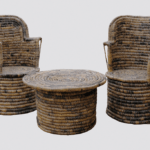
Handcrafted African furniture adds character that mass-produced pieces simply cannot match. Carved wooden chairs, stools, tables and benches bring a sense of craft and authenticity into the home.
At Burudani, African furniture often works as a statement piece. A single handcrafted chair can become the focal point of a hallway, reading corner, living room or bedroom.
The beauty of these pieces is that they are not only functional. They are decorative objects in their own right.
A wooden African chair placed beside a plant, a textured wall hanging or a ceramic pot can create a complete design moment without needing much else.
3. African Wall Art and Canvas Paintings
Afrohemian homes need strong visual storytelling, and this is where African wall art becomes essential.
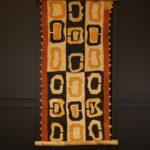
African paintings, canvas art and textile mixed-media pieces bring colour, movement and emotion into a room. They are perfect for creating focal points above sofas, beds, consoles or dining tables.
Popular choices include:
- African woman portrait paintings
- Savannah-inspired scenes
- Wildlife and guardian animal artwork
- Family and community scenes
- Textile mixed-media canvas art
- Abstract African-inspired wall art
These artworks make a room feel more personal. They also add cultural depth and colour without overwhelming the space.
For a living room, a large African woman canvas painting can become the centrepiece. For a hallway, a bold portrait or animal painting can create immediate impact. For a bedroom, softer tones and flowing compositions can make the space feel calm and grounded.
4. African Masks as Statement Wall Decor
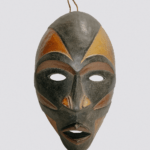
African masks are one of the most powerful elements of Afrohemian decor. They bring sculpture, symbolism and drama to a wall.
In a British home, an African mask can work beautifully in several ways:
- As a single statement piece on a feature wall
- As part of a gallery wall
- Above a console table
- In a hallway or entrance
- In a dining room
- In a home office or creative studio
Masks add depth because they are three-dimensional. Unlike flat wall prints, they cast shadows and create a sculptural effect.
Vintage and antique-style masks are especially effective in Afrohemian interiors because they bring a collected, historic feeling. They make the room feel less like a showroom and more like a curated space.
For 2026, this is exactly the direction interiors are moving towards: fewer disposable objects, more pieces with character.
5. Pottery, Clay and Ceramic Decor
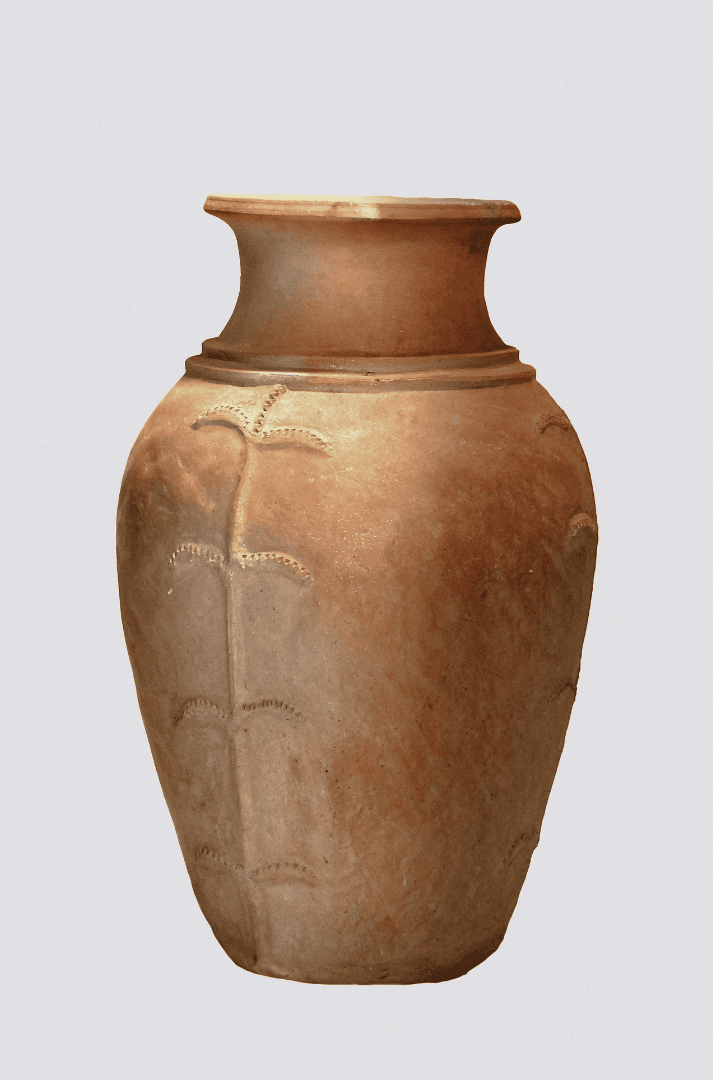
Pottery is another important part of Afrohemian styling. Clay pots, handmade vases and ceramic vessels bring organic texture into a room.
They work well because they are simple, earthy and timeless.
African pottery can be displayed:
- On shelves
- On sideboards
- On dining tables
- In fireplaces
- On console tables
- Beside plants
- As standalone decorative pieces
Even when empty, a handcrafted pot can add warmth and presence. When paired with dried grasses, branches or natural stems, it becomes even more atmospheric.
Pottery also works beautifully with other Afrohemian materials such as wood, linen, rattan and woven textiles.
6. Woven Baskets and Natural Textures
Afrohemian decor is deeply connected to texture. Woven baskets, raffia, jute, cane, linen, wool and cotton all help create a layered, tactile home.
Woven baskets are especially useful because they are both decorative and practical. They can be used for storage, wall decor, plant holders or shelf styling.
In a UK living room, woven baskets soften hard surfaces and add a handmade feel. In a hallway, they make the space feel warmer and more welcoming. In a bedroom, they add relaxed Bohemian comfort.
The key is to mix textures thoughtfully. A room with wood, pottery, woven baskets, soft textiles and African wall art will always feel richer than a room with only smooth modern finishes.
How to Create an Afrohemian Living Room
The living room is often the best place to introduce Afrohemian decor because it is where warmth and personality matter most.
Start with a neutral base. Cream, warm white, taupe, clay or soft beige walls work beautifully. Then add depth through furniture and decor.
A strong Afrohemian living room might include:
- A handcrafted wooden chair or stool
- A large African canvas painting
- A woven basket
- A ceramic pot
- A textured rug
- Earth-toned cushions
- Plants
- One or two African masks
The room should feel layered but not cluttered. Choose a few strong pieces rather than too many small objects.
A large artwork above the sofa can anchor the space. A mask on a nearby wall can add sculptural interest. A wooden stool can work as both a side table and a decorative piece.
The goal is to create a living room that feels warm, relaxed and full of soul.
How to Add Afrohemian Style to a Hallway
Hallways are often forgotten, but they are perfect for Afrohemian decor. Because they are transitional spaces, they can handle bold statement pieces.
A carved African mask, a narrow console table, a ceramic pot and a warm wall colour can completely transform an entrance.
For a dramatic look, use a dark wall colour such as deep brown, charcoal or warm black. Then add a mask, painting or woven wall piece. The contrast will make the object stand out beautifully.
This creates an immediate first impression. Guests enter the home and instantly feel that the space has identity and atmosphere.
Afrohemian Bedroom Ideas
In a bedroom, Afrohemian decor should feel softer and more calming. The aim is warmth, not visual noise.
Use gentle earthy colours, natural bedding, soft lighting and one or two statement pieces.
Good choices include:
- A calm African woman portrait
- A handcrafted stool beside the bed
- Woven baskets for storage
- Clay pottery on a dresser
- Natural linen bedding
- Warm lamps or wall lights
Avoid overloading the room. Bedrooms need space to breathe.
A single meaningful piece of African wall art above the bed can be enough to create the mood. Add natural textures around it and the room will feel peaceful, warm and personal.
Afrohemian Dining Spaces
Dining rooms and dining areas are ideal for Afrohemian decor because the style naturally celebrates gathering, community and connection.
Family scenes, joyful paintings and handcrafted decorative pieces work especially well here.
A dining area can be styled with:
- A wooden dining table
- African wall art
- Ceramic bowls
- Woven placemats
- Warm lighting
- Statement pottery
- Natural textures
The result is a dining space that feels less formal and more connected. It becomes a place where food, conversation and atmosphere come together.
Why Handmade Pieces Matter
One of the reasons Afrohemian decor feels so special is the emphasis on handmade work.
Handcrafted furniture, paintings, pottery, masks and baskets carry marks of the maker. They are not perfectly identical. They have variation, texture and character.
That is exactly what makes them beautiful.
In modern homes, where so many objects are machine-made, handmade decor brings back a human touch. It makes the room feel less sterile and more alive.
This is one of the biggest reasons Afrohemian decor is growing in 2026. People want homes that feel real. They want pieces that tell a story.
Burudani’s collections are built around this idea: furniture, art, pottery and decor with soul, craft and cultural presence.
Afrohemian Decor and the Rise of Meaningful Interiors
The biggest interior shift for 2026 is not just about colour or furniture. It is about meaning.
People are becoming more selective about what they bring into their homes. They are moving away from disposable decor and choosing pieces that feel lasting, personal and culturally rich.
Afrohemian decor fits this shift perfectly.
It encourages you to choose objects with presence. A painting that makes you pause. A mask that starts a conversation. A chair that feels sculptural. A pot that looks handmade and organic.
These pieces do not just decorate a home. They shape the atmosphere of it.
How to Style Afrohemian Decor Without Overdoing It
The best Afrohemian interiors feel curated, not crowded.
Here are a few simple styling rules:
Start with a warm neutral base.
Choose one or two statement pieces per room.
Mix textures: wood, pottery, textiles, baskets and canvas.
Use earthy colours with occasional bold accents.
Leave breathing space around important pieces.
Avoid matching everything too perfectly.
Let handmade details and imperfections show.
For example, if you have a bold African painting, keep the surrounding decor simpler. If you have a dramatic mask wall, balance it with soft textiles and natural materials.
Afrohemian decor should feel expressive, but still elegant.
The Best Burudani Pieces for Afrohemian Homes
Burudani is perfectly suited to the Afrohemian trend because the collections already bring together the key elements of the style.
For a complete Afrohemian look, explore:
African Paintings
Ideal for creating colour, emotion and visual storytelling. Choose portraits, wildlife scenes or textile mixed-media canvas art for strong impact.
African Masks
Perfect for sculptural wall decor. Masks add depth, shadow and cultural character to living rooms, hallways and offices.
African Furniture
Handcrafted chairs, stools and tables bring natural warmth and functional artistry into the home.
African Pottery
Clay pots and ceramic vessels add earthy texture and timeless decorative value.
Burudani Vintage & Antique
Vintage and antique-style African pieces are ideal for collectors and anyone wanting a home with deeper character.
Why Afrohemian Decor Works So Well in the UK
Afrohemian decor suits British homes because it brings warmth into spaces that often need more texture and personality.
Many UK homes have neutral walls, compact rooms and practical layouts. Afrohemian styling can lift these spaces without requiring major renovation.
A few carefully selected pieces can make a huge difference:
- A mask in a hallway
- A painting above a sofa
- A wooden stool in a reading corner
- A pot beside a fireplace
- A woven basket near a plant
This makes the style accessible. You do not need to redesign your whole home. You can start small and build the look slowly.
That is one of the reasons Afrohemian decor is likely to continue growing throughout 2026.
Final Thoughts: Afrohemian Is More Than a Trend
Afrohemian decor may be one of the key interior trends for 2026, but its appeal goes deeper than fashion.
It is warm. It is expressive. It is handmade. It is cultural. It is personal.
In a world where many interiors look the same, Afrohemian decor gives your home a sense of individuality. It allows you to create rooms that feel collected, meaningful and full of soul.
Whether you start with a single African painting, a handcrafted mask, a wooden chair or a piece of pottery, you are adding more than decoration. You are adding story, texture and atmosphere.
For British homes looking for warmth and character in 2026, Afrohemian decor is the perfect direction.
Explore Burudani’s collections of African furniture, African paintings, masks, pottery, vintage pieces and handmade home decor to bring authentic Afrohemian style into your home.