Blog
Why Handcrafted African Homeware Is Finding Its Way Into British Homes

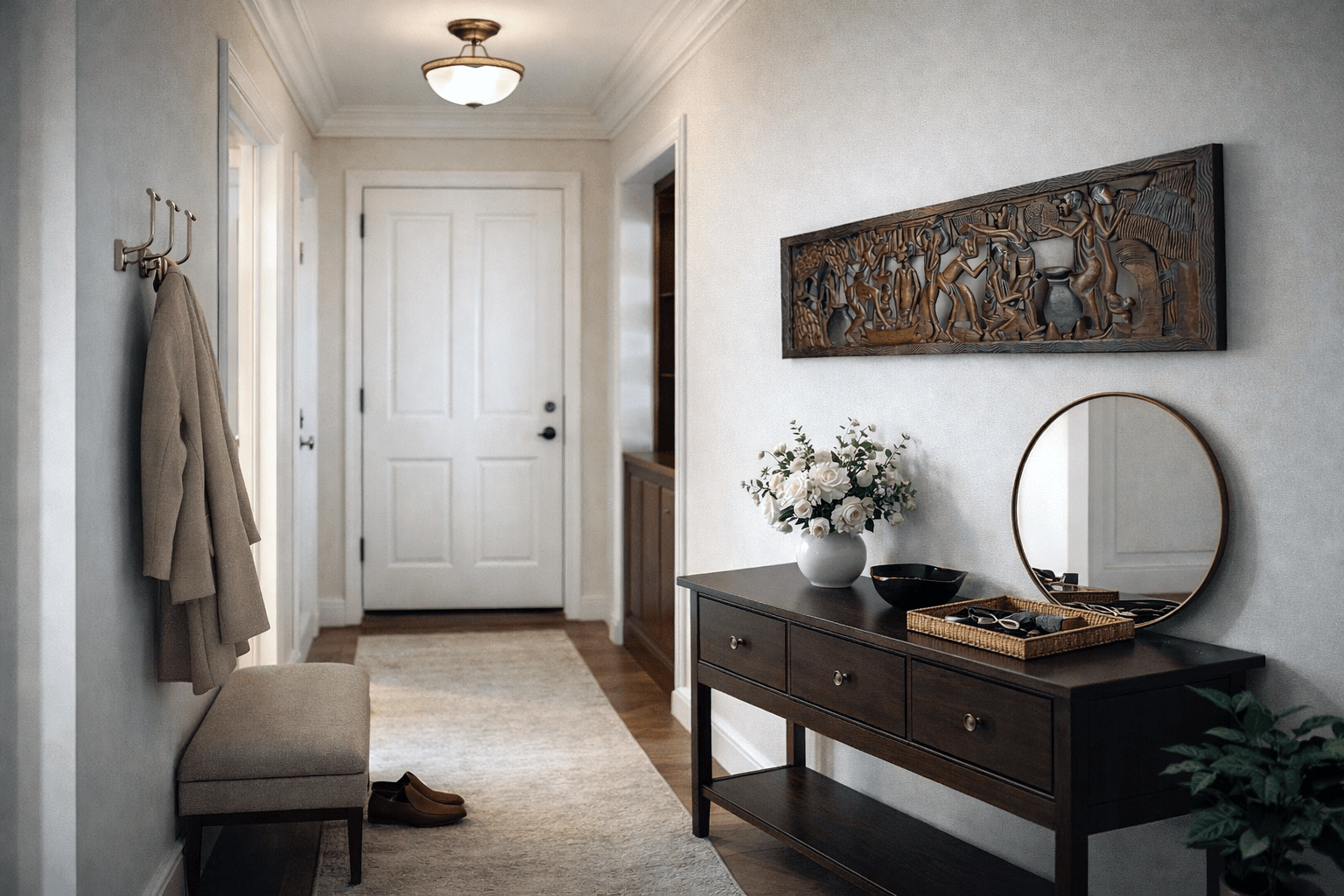
There’s a quiet shift happening in British homes. Walk into any interiors-focused Instagram feed, browse the latest Pinterest boards, or flick through a Sunday supplement, and you’ll notice something: African handcrafted homeware is everywhere. Not as a fleeting trend, but as a considered choice by people who want their homes to say something more than “I went to IKEA.”
As someone who has spent the better part of a decade obsessing over what goes on my walls and shelves, I can tell you that this shift feels different from the Scandinavian wave or the industrial phase. It’s not about a look. It’s about a feeling. Handcrafted African homeware brings warmth, story, and a sense of human connection that mass-produced pieces simply can’t replicate.
The conscious consumer is driving the change
The UK interiors market has been dominated by two aesthetics for the best part of a decade: Scandinavian minimalism and industrial chic. Both have their merits, but there’s a growing appetite for something with more soul. British consumers are increasingly values-driven. They want to know who made the things in their home, what materials were used, and whether the purchase supports real communities rather than anonymous factories.
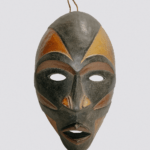
This is where African artisan homeware fits perfectly. When you buy a hand-carved wooden mask from a craftsman who learned the technique from his father, who learned from his father before him, you’re not just buying wall art. You’re becoming part of a story that stretches back generations. And that resonance is exactly what today’s British homeowner is looking for.
It works in every kind of British home
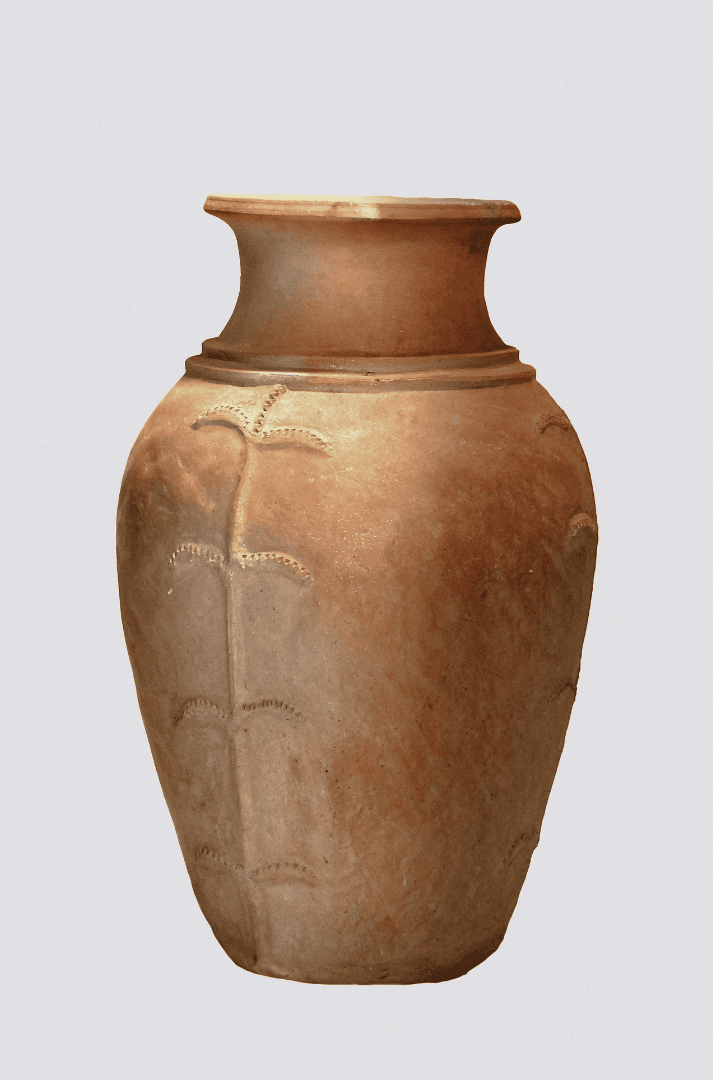
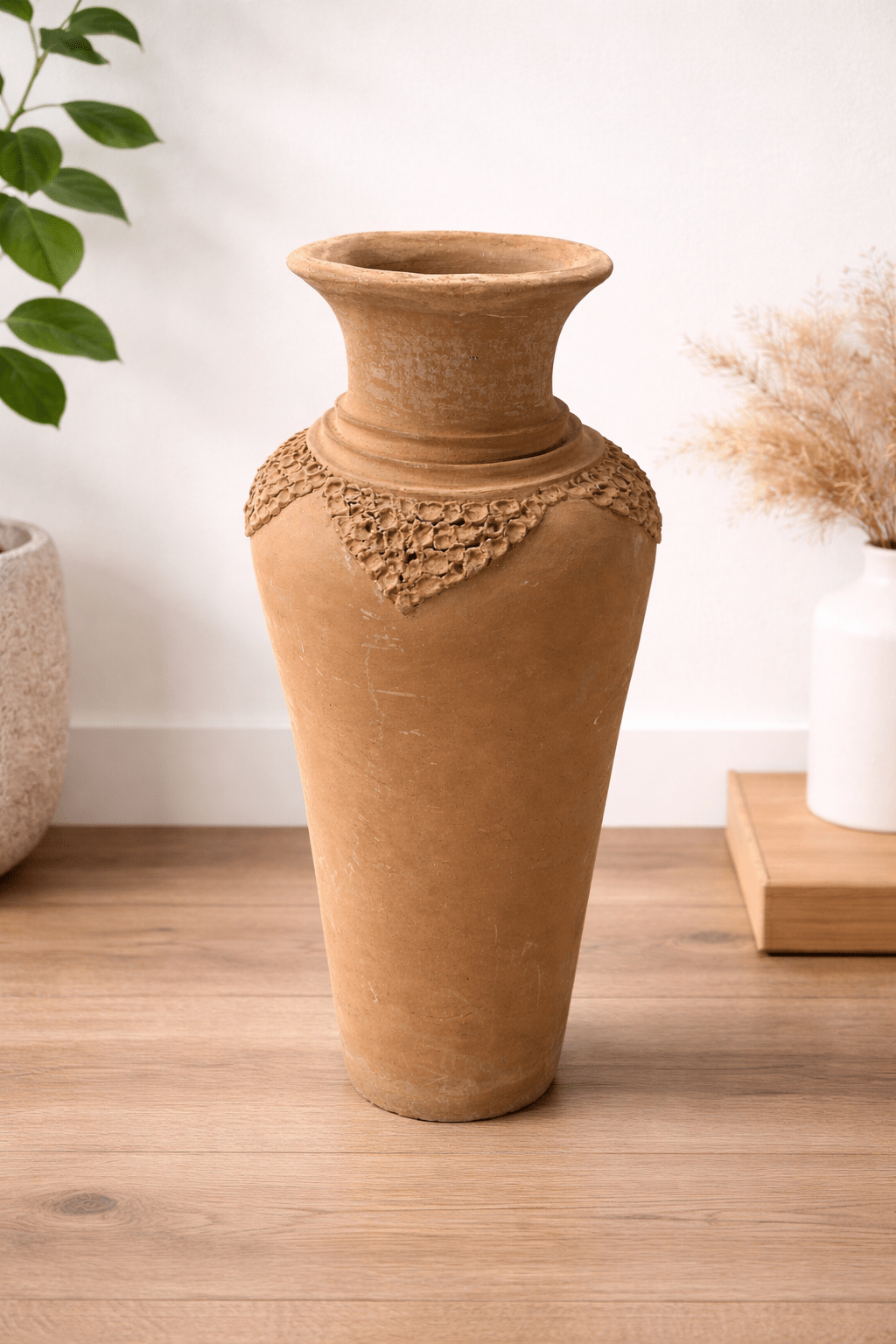
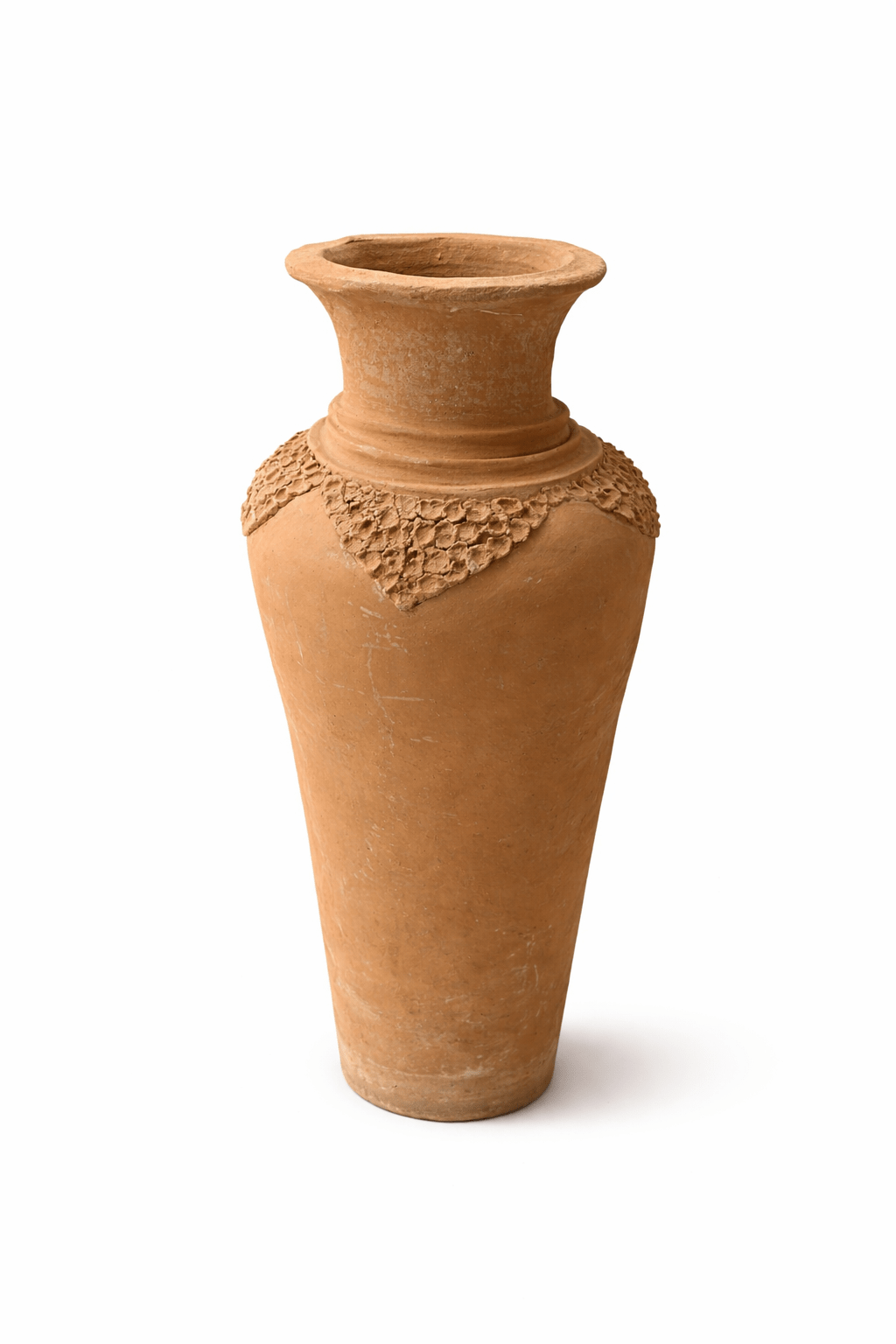
One of the most surprising things about African homeware is how naturally it blends into British interiors. A carved mask on a white wall in a minimalist Shoreditch flat looks just as striking as it does above a fireplace in a Devon cottage. An earth-toned pottery vase on a dining table in a Manchester semi brings the same warmth as it does in a Georgian townhouse in Bath.
This versatility is the key. African handcrafted pieces tend to be made from natural materials like wood, clay, and woven fibres, in earthy, neutral tones that complement almost any existing colour scheme. They don’t fight with your furniture. They enhance it. They add a layer of texture and character that ties a room together.
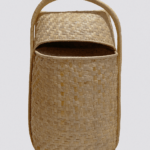
Take something as simple as a handwoven African basket. At just £8 to £18, it’s the kind of piece you pick up almost on impulse. But placed on a hallway table for keys, or beside a sofa for magazines, or stacked in a set of three on a shelf, it quietly elevates the whole room. That’s the magic of handmade. Every strand of fibre has been placed by someone’s hands, and you can feel it.
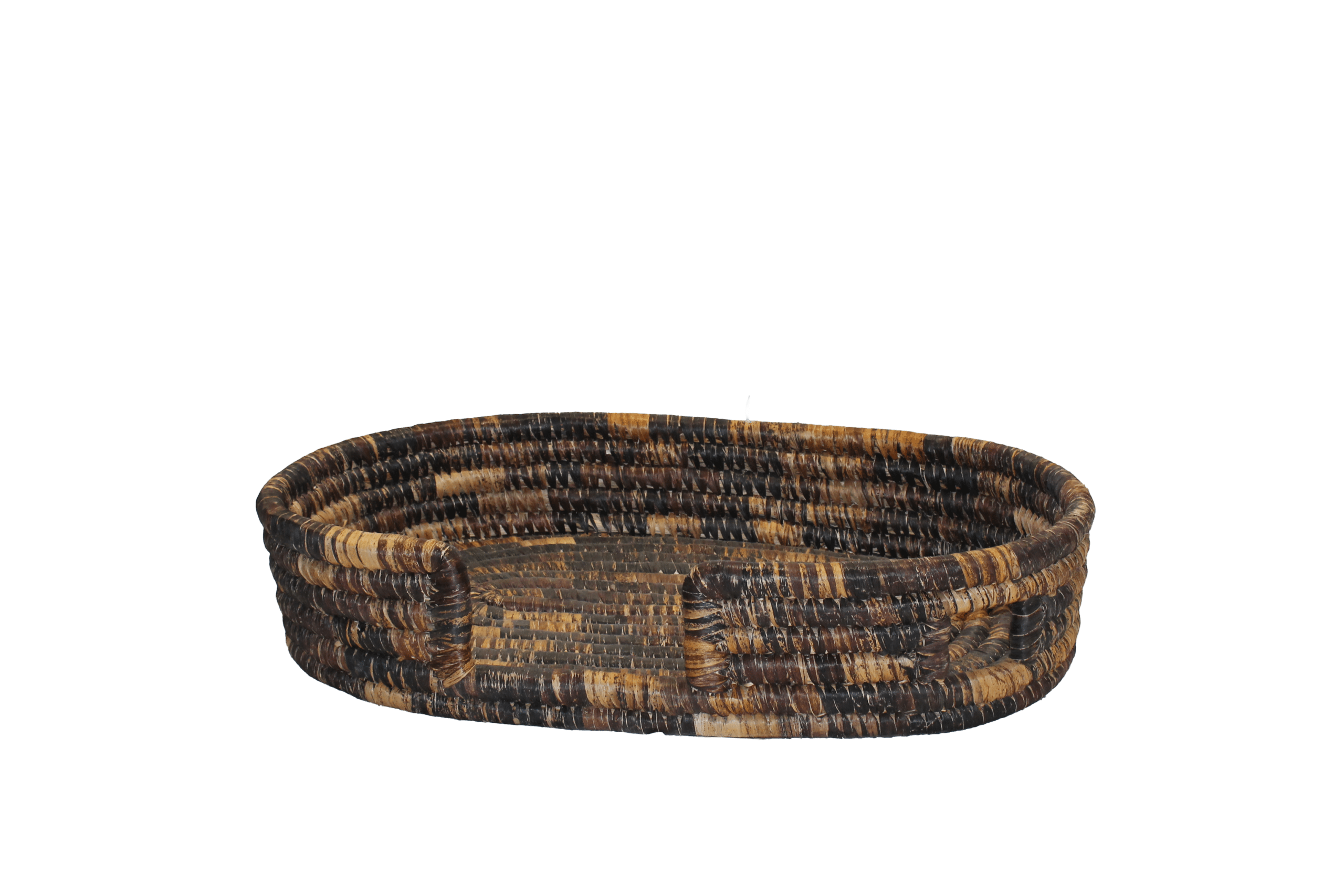
And then there are the pieces you’d never expect. A handmade African pet bed, woven from natural fibres into a beautiful oval shape, is the kind of thing that makes visitors stop and say “where did you get that?” It’s a pet bed that looks like a piece of art. At £38 to £48, it’s one of the most distinctive things you can buy for a home with animals, and one of the few pet accessories you’d actually want on display in your living room.
Accessible price points, real craftsmanship
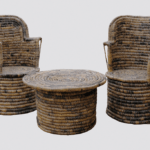
There’s a misconception that artisan homeware has to be expensive. Some of the most impactful pieces in the African handcrafted range are remarkably accessible. A beautifully carved wooden accent chair starts at £42. Hand-carved masks, the kind that become a genuine focal point in any room, sit between £58 and £68. Even the larger pottery vases, the sort you’d see in a high-end interiors shop at three times the price, range from £108 to £148.
The value equation is compelling. You’re getting a one-of-a-kind piece, made by hand, using traditional techniques, from a directly sourced artisan community, and it costs less than most things in the John Lewis home section. For anyone looking to add character to their home without remortgaging, African handcrafted homeware is one of the best-kept secrets in UK interiors.
Where to start
If you’re new to African homeware, my suggestion would be to start with a single statement piece. A mask on a wall, a vase on a table, a basket by a door. Live with it for a week and see how it changes the feel of the space. You’ll almost certainly find yourself wanting a companion piece before the month is out.
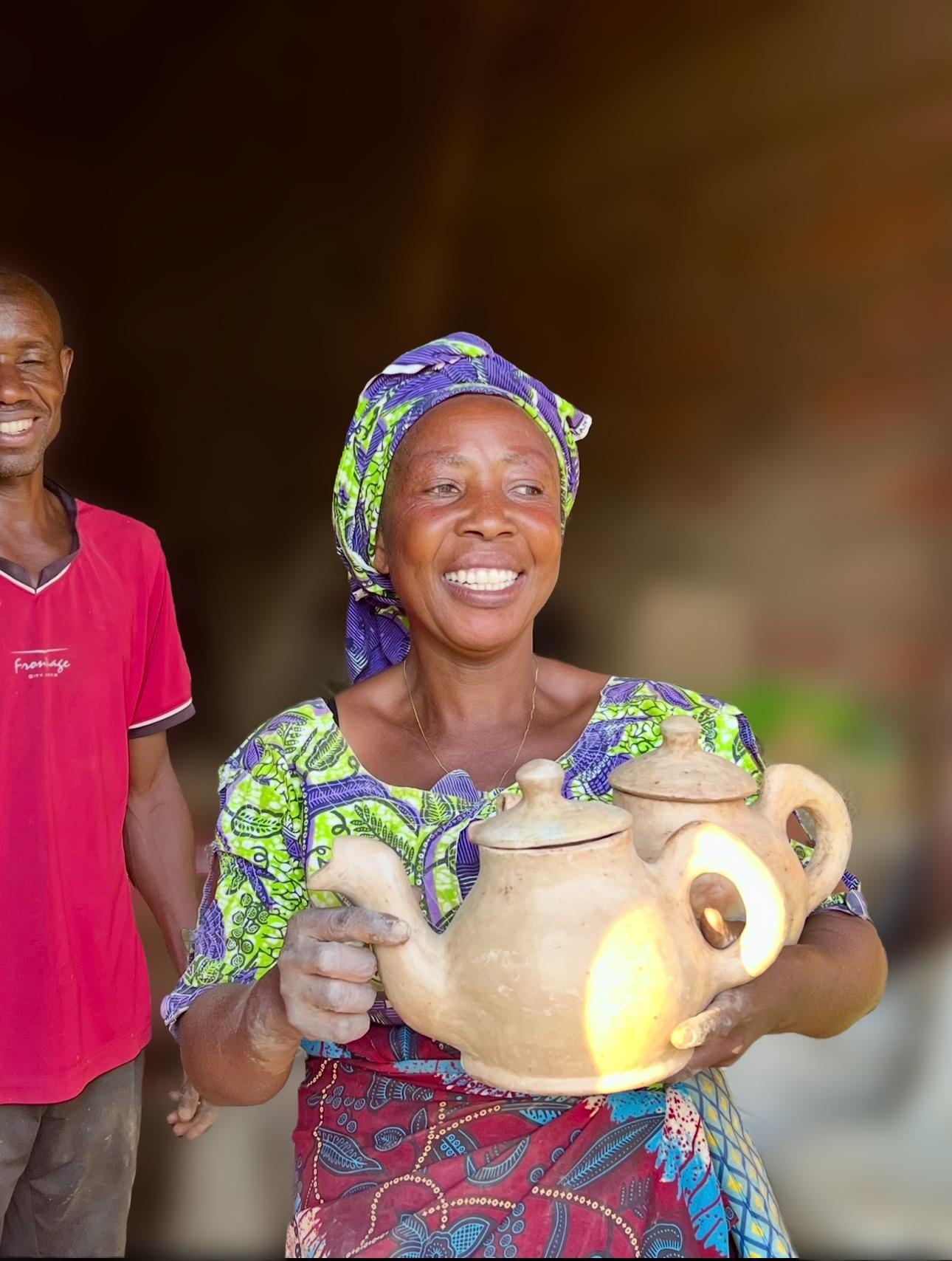
At Burudani, every piece is sourced directly from African artisan communities, with a focus on sustainability, fair wages, and cultural preservation. Their range covers masks, statues, pottery, furniture, mahogany wall panels, and everyday accessories. All shipped free across England for registered customers.
The best home décor tells a story. African handcrafted homeware tells one worth hearing.
Start your Burudani collection
Handcrafted African homeware, delivered free across England
Browse All Products